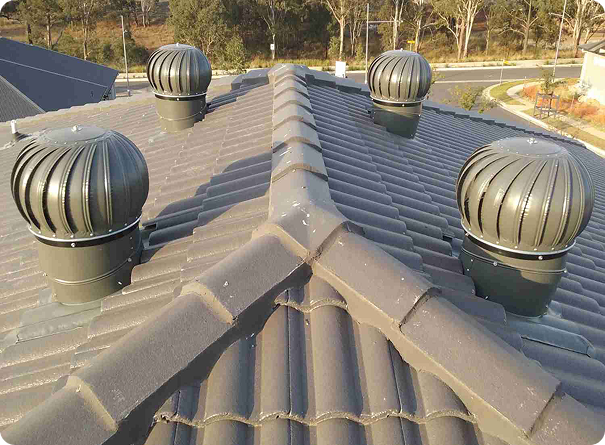
Roof spaces can become excessively hot when sunlight heats the roofing materials, allowing warmth to build up beneath the roof. Without suitable ventilation, this heat can raise the temperature of rooms below and make indoor spaces less comfortable. A well-planned ventilation system can help release warm air and support better airflow through the roof cavity.
Whirlybirds are one option homeowners can consider, as their rotating turbines use wind movement and natural convection to help extract hot air. However, choosing a suitable system involves assessing the roof design, existing ventilation, and installation requirements. When researching whirlybird installation near you, it is important to compare local installers and understand whether the proposed solution is appropriate for your property.
- What Is a Roof Whirlybird and How Does It Work?
- Signs Your Home May Need Better Roof Ventilation
- Benefits of Installing a Roof Whirlybird
- Understanding Requirements of Roof Ventilation in Australia
- Factors to Consider Before Choosing a Whirlybird
- Whirlybird Installation Costs: What Can Affect the Price?
- What Happens During a Whirlybird Installation?
- How to Find the Right Installer Near You
- Making an Informed Installation Decision
What Is a Roof Whirlybird and How Does It Work?
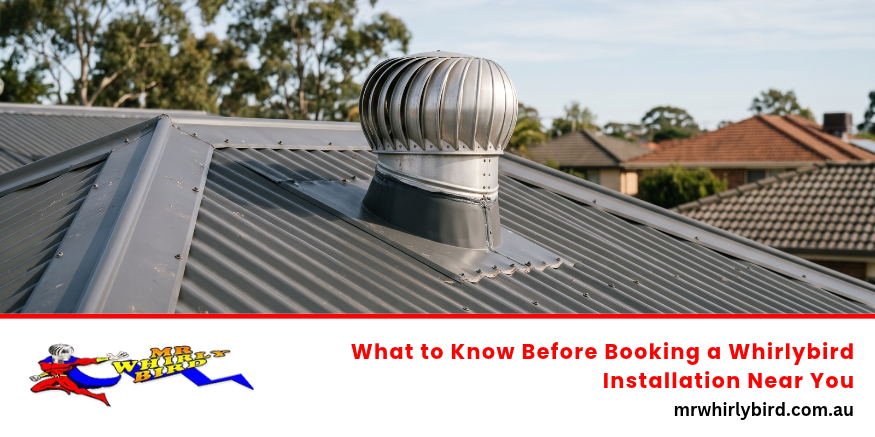
A roof whirlybird is a ventilation device fitted to a roof to help remove warm air from the space beneath it. It consists of a rounded turbine with curved blades that rotate when exposed to wind. As the turbine spins, it helps draw accumulated hot air out through the roof outlet, allowing replacement air to enter through suitable intake points.
Natural convection also supports this process, as warmer air rises towards the highest part of the roof cavity and moves towards available exhaust outlets. Unlike powered exhaust fans, conventional whirlybirds operate without an electrically driven motor, using wind movement and natural airflow instead.
When considering a roof whirlybird in Australia, homeowners should understand that its performance depends on factors such as wind conditions, roof design, turbine placement, and the balance between air intake and exhaust ventilation.
Signs Your Home May Need Better Roof Ventilation
Certain conditions around your home may indicate that the roof space lacks adequate airflow. Some common signs to look out for include:
- Excessive Roof Cavity Heat: The roof space becomes noticeably hot during warmer months, with heat accumulating beneath the roofing materials.
- Uncomfortable Indoor Temperatures: Rooms directly below the roof may feel warmer, particularly during hot afternoons.
- Poor Air Circulation: Warm air may remain trapped in the ceiling space when airflow through the roof cavity is insufficient.
- Moisture or Condensation: Depending on the climate and household conditions, moisture may accumulate in the roof space and contribute to condensation concerns.
- Existing Ventilation Issues: Inadequate air intake, blocked vents or poorly arranged ventilation outlets may affect airflow.
These signs can have different causes, including insulation problems and air leaks. Assessing roof ventilation in Australia requires considering the property’s design and existing setup. A roof inspection can help determine whether a whirlybird is an appropriate solution.
Benefits of Installing a Roof Whirlybird
A roof whirlybird in Australia offers several practical features that make it an option worth considering for residential ventilation.
- Passive Ventilation: A conventional whirlybird uses wind movement and natural airflow to help remove warm air from the roof cavity without relying on an electrically powered motor.
- Heat Extraction: It helps release accumulated warm air through the roof outlet when wind and ventilation conditions support airflow.
- No Operating Electricity: Since the turbine rotates with the wind, it does not require an electrical connection to operate.
- Relatively Simple Operation: Its rotating blades respond to passing wind, creating an exhaust effect that helps move air out of the roof space.
- Residential Suitability: Whirlybirds can suit different residential roof types, provided the structure, roofing material and ventilation requirements are compatible.
The overall results depend on factors such as roof design, turbine placement, existing air intake and local weather conditions.
Understanding Requirements of Roof Ventilation in Australia
Australian homes experience different weather conditions, from hot inland summers and humid coastal environments to cooler regional climates. These variations influence how roof spaces retain heat and manage moisture. When considering roof ventilation in Australia, homeowners should look beyond the local climate and assess the property’s construction. Roof pitch, roofing material, insulation, ceiling design, and existing vents can all affect how air moves through the roof cavity.
A suitable ventilation arrangement needs both adequate air intake and effective exhaust outlets to support continuous airflow. Installing a roof turbine without considering these elements may limit its effectiveness, even if the product itself is suitable. Since every property has different requirements, checking the roof structure and existing roof ventilation in Australia is important before choosing a system. This helps homeowners identify an approach that better suits their home’s design and local conditions.
Factors to Consider Before Choosing a Whirlybird
Before selecting a whirlybird, homeowners should evaluate several aspects of their roof to determine which system may be suitable.
- Roof Size: Consider the dimensions and layout of the roof space, as these influence ventilation requirements.
- Roof Pitch and Design: Check whether the roof structure can accommodate the selected turbine and its mounting arrangement.
- Roofing Material: Metal sheets, tiles, and other roofing materials may require different installation methods and flashing components.
- Ventilation Requirements: Assess the roof cavity, existing air intake points, and available exhaust outlets to understand the airflow arrangement.
- Product Quality: Compare construction materials, turbine design, durability, and suitability for local weather conditions.
- Placement: Consider the roof layout, suitable positioning, and accessibility for installation and future maintenance.
A professional check can help homeowners evaluate these factors, select an appropriate product, and understand the installation requirements before proceeding.
Whirlybird Installation Costs: What Can Affect the Price?
The cost of whirlybird installation near you can vary depending on several property and product-related factors:
- Product Selection: The turbine’s type, size, construction material, and quality can influence its purchase price.
- Roof Conditions: Roof height, pitch, accessibility, and material may affect installation complexity and labour requirements.
- Number of Units: The number of whirlybirds needed will depend on the roof space and ventilation assessment.
- Additional Work: Roof preparation, flashing, sealing, or weatherproofing may add to the overall cost.
- Labour Charges: Installer rates and the work included in the service can also affect the final quote.
Compare detailed quotations that explain product costs, labour, and additional work rather than choosing a provider based only on the lowest advertised price.
What Happens During a Whirlybird Installation?
A professional whirlybird installation generally involves several stages to ensure the turbine is positioned and secured appropriately. The exact process may vary according to the roof type, material and product specifications.
1. Initial Inspection
The installer examines the roof structure, roofing material, pitch, and existing ventilation arrangement. This check helps determine whether a whirlybird is suitable and identifies any installation requirements.
2. Location Selection
A suitable position is identified based on the roof layout and ventilation plan. The installer considers the placement of existing vents and the available roof space.
3. Roof Preparation
The required opening is measured and prepared according to the turbine manufacturer’s specifications. The preparation method depends on the roofing material and mounting arrangement.
4. Turbine Installation
The whirlybird is positioned and secured using the appropriate mounting components. Its base and flashing are fitted to suit the roof structure.
5. Weatherproofing
The surrounding area is checked, and the necessary sealing and flashing work is completed to help reduce the risk of water entering through the roof opening.
6. Final Inspection
The installer checks the turbine’s movement, mounting stability, and finished installation to ensure the components are properly fitted.
How to Find the Right Installer Near You
Choosing the right installer is important to ensure a whirlybird suits your roof and is fitted correctly. When comparing providers for whirlybird installation in Sydney, consider the following points:
- Relevant Experience: Look for installers with experience in roof ventilation systems and different types of roofing work.
- Knowledge of Roofing Materials: Check whether they understand the installation requirements for metal, tiled and other roof types.
- Product Selection: Ask which whirlybird models they offer and how they determine which ones suit your property.
- Clear Process: Ask for details on the initial roof inspection, product selection, installation and final checks.
- Written Quotes: Compare product specifications, labour charges, and any additional work included in each estimate.
- Customer Feedback: Review previous customer experiences and ask whether workmanship warranties are available.
These checks can help you make a more informed booking decision.
Making an Informed Installation Decision
Choosing a suitable whirlybird involves assessing your roof design, ventilation needs, product specifications, installation quality, and overall costs. Rather than relying only on appearance or advertised benefits, consider a solution based on your property’s requirements. For homeowners exploring roof whirlybird in Australia, Mr WhirlyBird can help with the next step. Contact the team to discuss your roof ventilation requirements and arrange an assessment.