
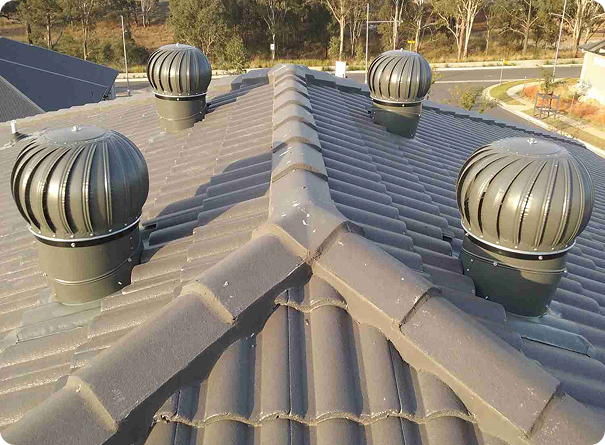
If your home feels hotter than it should during summer, or you notice musty smells creeping in from the ceiling, your roof cavity may be crying out for better ventilation. Whirlybird roof vents are one of the simplest, most cost-effective upgrades you can make to a home – but only if you know when they are actually needed. Here are five clear signs it is time to consider a whirlybird installation.
1. Excessive Heat in Upper Rooms
If the rooms directly under your roof feel noticeably hotter than the rest of the house, particularly in the afternoon, trapped heat in the roof cavity is often the culprit. Without adequate airflow, hot air has nowhere to go and radiates down through the ceiling into your living spaces.
2. Musty or Damp Odours
A persistent musty smell, especially after rain or overnight, usually points to moisture build-up somewhere in the roof space. Stagnant, humid air trapped in the cavity is the perfect environment for that smell to develop, and left unchecked it can lead to bigger problems.
3. Visible Mould or Mildew
Mould spots on ceilings, around cornices, or inside the roof cavity itself are a strong indicator that moisture is not escaping the way it should. Whirlybirds continuously draw out humid air, helping to keep the roof space dry and reducing the conditions mould needs to grow.
4. Rising Energy Bills
When hot air is trapped above your ceiling, your air conditioner has to work harder to keep the house cool, which shows up as higher energy bills over summer. Improving passive ventilation reduces this heat load before it ever reaches your living areas.
5. Condensation on Windows
Excess moisture inside the home, including condensation on windows and glass doors, can sometimes trace back to poor roof ventilation rather than just indoor humidity. A well-ventilated roof space helps balance moisture levels throughout the property.
The Simple Fix: Whirlybird Roof Ventilation
A whirlybird uses nothing but wind and the natural rise of hot air to continuously ventilate your roof space, with no electricity required and very little ongoing maintenance. If any of these signs sound familiar, a professional assessment can quickly confirm whether your roof would benefit from one, and how many units your property needs.